For Professionals
Create Outcomes is an organization devoted to supporting our clients and staff in growing toward their highest potential. Therefore, we take a holistic approach, offering guidance in many accessible forms. We are dedicated to translating empirical research into everyday tools and strategies that anyone can use. An inclusive workplace is defined as a work environment that makes every employee feel valued while also acknowledging their differences and how these differences contribute to the organization's culture and business outcomes.

Our purpose is to support and empower our team when navigating complex clinical work.
Clinicians create a LifeWork Map with their supervisors. Our team receives extensive training from beginning to end
All of us have many parts to who we are. Our Parts Work approach is based on object relations theory.
A shared system for making progress visible while preserving clinical nuance.
All of our staff attend Diversity-focused Group Supervision Meetings facilitated by a guest speaker from outside the organization
The clinician uses their judgment to determine which empirically-supported treatment (EST) or intervention is the best fit for each client.
Our internal clinician book club gives the team a shared language for clinical reflection. We return to core texts that deepen our understanding of object relations, therapeutic skill, diagnosis, and the relational factors that improve outcomes.

LAVINIA GOMEZ

NANCY MCWILLIAMS

NANCY MCWILLIAMS
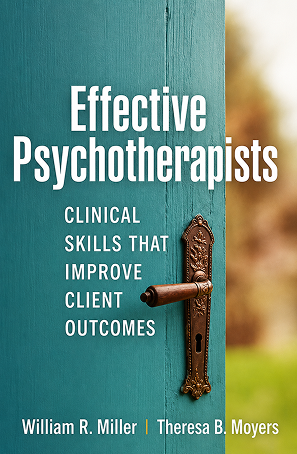
WILLIAM R. MILLER
We translate current research and theoretical foundations of the past into applicable clinical skills. We work to integrate psychodynamic theory, cognitive behavioral approaches, and the unique perspective and training.
We emphasize the interpersonal characteristics, such as accurate empathy and genuineness, that effective psychotherapists share regardless of their particular theoretical orientation or treatment approach
Our team takes a relational approach to therapy. Examining transference and countertransference through the lens of your therapeutic frame ensures a clearer window into the development and culture of each client.
We are client-centered and believe in transparent, collaborative, and responsive treatment. The LifeMap process has the clinician and client work together to create a treatment plan that the client has access to at any time.
Submit an online application along with your CV. We review every submission personally
Once approved to move forward, you'll receive a set of questions to answer on the Hireflix video platform
After reviewing the compensation structure, you'll be invited for a panel interview
Extensive training from beginning to end. You'll build your LifeWork Map with your supervisor.

Our T.I.P.S. framework gives clinicians a structure for self-evaluation, individualized care, ethical clarity, and strategic intervention.

A structure for self-evaluation that guides clinicians in maintaining productive therapeutic relationships. It helps surface bias, emphasize self-awareness, and recognize when personal patterns may be present in the clinical space.
A structure for self-evaluation that guides clinicians in maintaining productive therapeutic relationships. It helps surface bias, emphasize self-awareness, and recognize when personal patterns may be present in the clinical space.
Maintaining awareness of our ethical and legal obligations as licensed clinicians is always central. We emphasize competency in risk, collaborative documentation, treatment planning, and privacy.
Once the therapeutic frame has been examined, individualized information assessed, and policies considered, the clinician chooses the most effective strategy to meet the unique needs of that client in that moment.
We COLLABORATE to help you overcome ROADBLOCKS by EQUIPPING you while we ACKNOWLEDGE, TRACK, and EVALUATE progress — a psychodynamic foundation for every clinical relationship.
Ensure the dynamic between therapist and client is conducive to personal growth and self-discovery.
Identify root causes of the presenting problem that prevent clients from reaching their desired outcomes.

Provide insight and evidence-based interventions chosen specifically to overcome each client's roadblocks.
Recognize when clients utilize newly acquired skills and insights to move toward their goals.

Routinely monitor the client's overall growth and adapt treatment interventions to their unique needs.
Assess client progress through collaborative documentation, ensuring alignment at every stage of treatment.
A few of the questions clinicians ask most when considering joining the practice.